What Is LoRa? The Core Principle of Long-Range IoT Communication
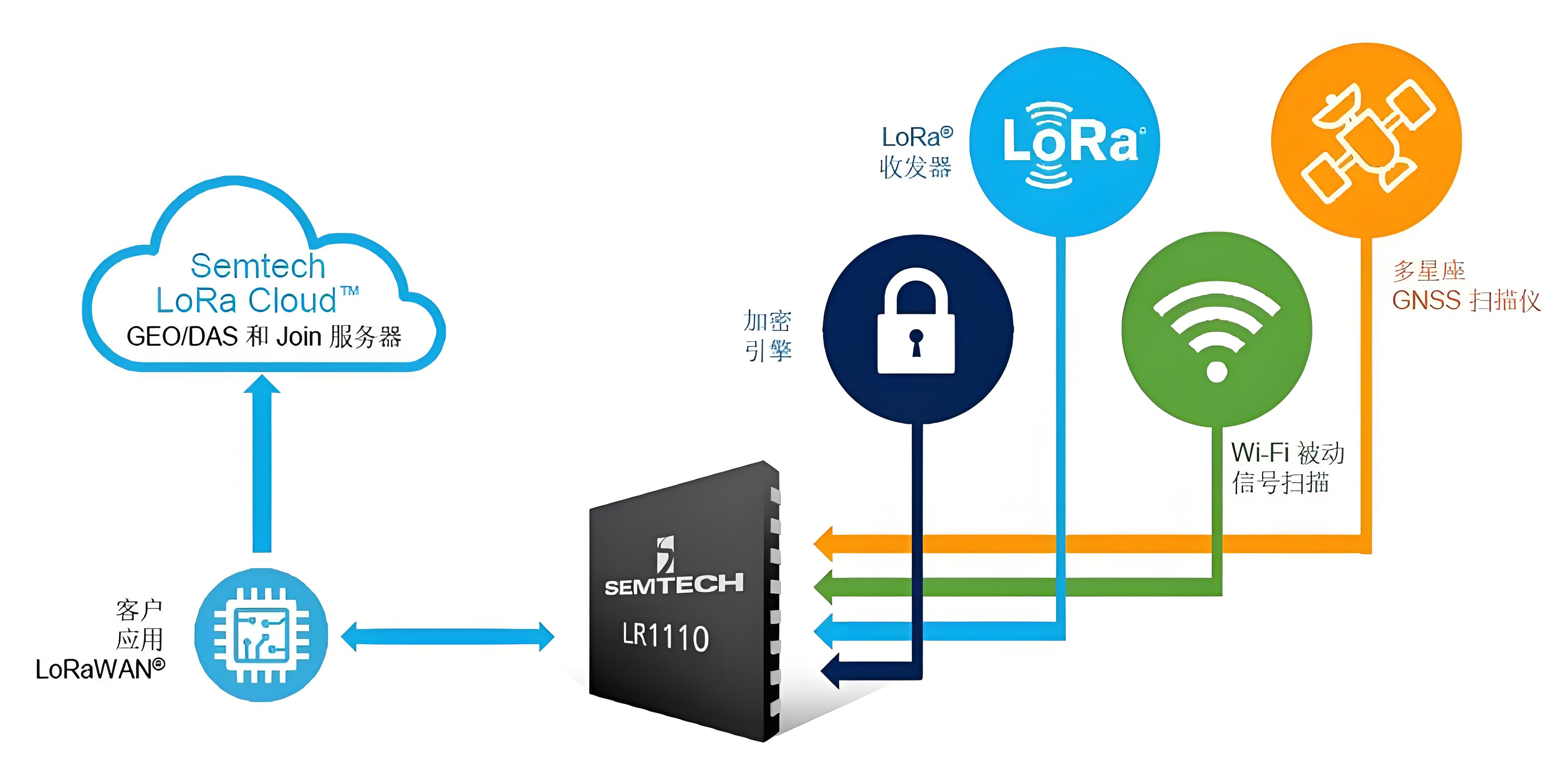
LoRa, short for Long Range, is a mature wireless communication physical layer technology developed based on Chirp Spread Spectrum (CSS) modulation. Invented by Cycleo and later commercialized by Semtech, it has become one of the most widely adopted LPWAN (Low-Power Wide-Area Network) technologies for global IoT deployment. Many people confuse LoRa with LoRaWAN: LoRa refers to the radio modulation technology itself, while LoRaWAN is an upper-layer network protocol built upon LoRa to manage device networking, data transmission and security.
Unlike Wi-Fi, Bluetooth or cellular communication, LoRa is designed for a clear positioning: long-distance transmission, ultra-low power consumption and strong anti-interference performance. It works on license-free Sub-GHz ISM frequency bands including 433MHz, 868MHz and 915MHz. In open rural terrain, the communication distance can reach 10–15 kilometers; in urban areas with buildings and obstacles, stable transmission of 2–5 kilometers can still be achieved. Its spread spectrum technology allows signals to be correctly decoded even when the signal strength is lower than background noise, delivering excellent penetration in mountains, basements and dense industrial zones.
The biggest advantage of LoRa lies in its power optimization. Sensor nodes equipped with LoRa modules can stay in deep sleep mode most of the time and only wake up briefly to send small data packets. With one set of batteries, field sensors can run continuously for 3 to 10 years without frequent maintenance. However, LoRa has obvious limitations. To achieve long-distance communication, it sacrifices transmission speed, so it only supports small-size sensor data such as temperature, humidity and pressure, and cannot transmit video or large-volume files.
Nowadays, LoRa provides flexible point-to-point transparent transmission for private networks and standardized LoRaWAN networking for public IoT systems. It fills the market gap between short-range wireless technology and expensive cellular IoT solutions, laying a solid communication foundation for environmental monitoring, smart agriculture and industrial remote sensing worldwide.